
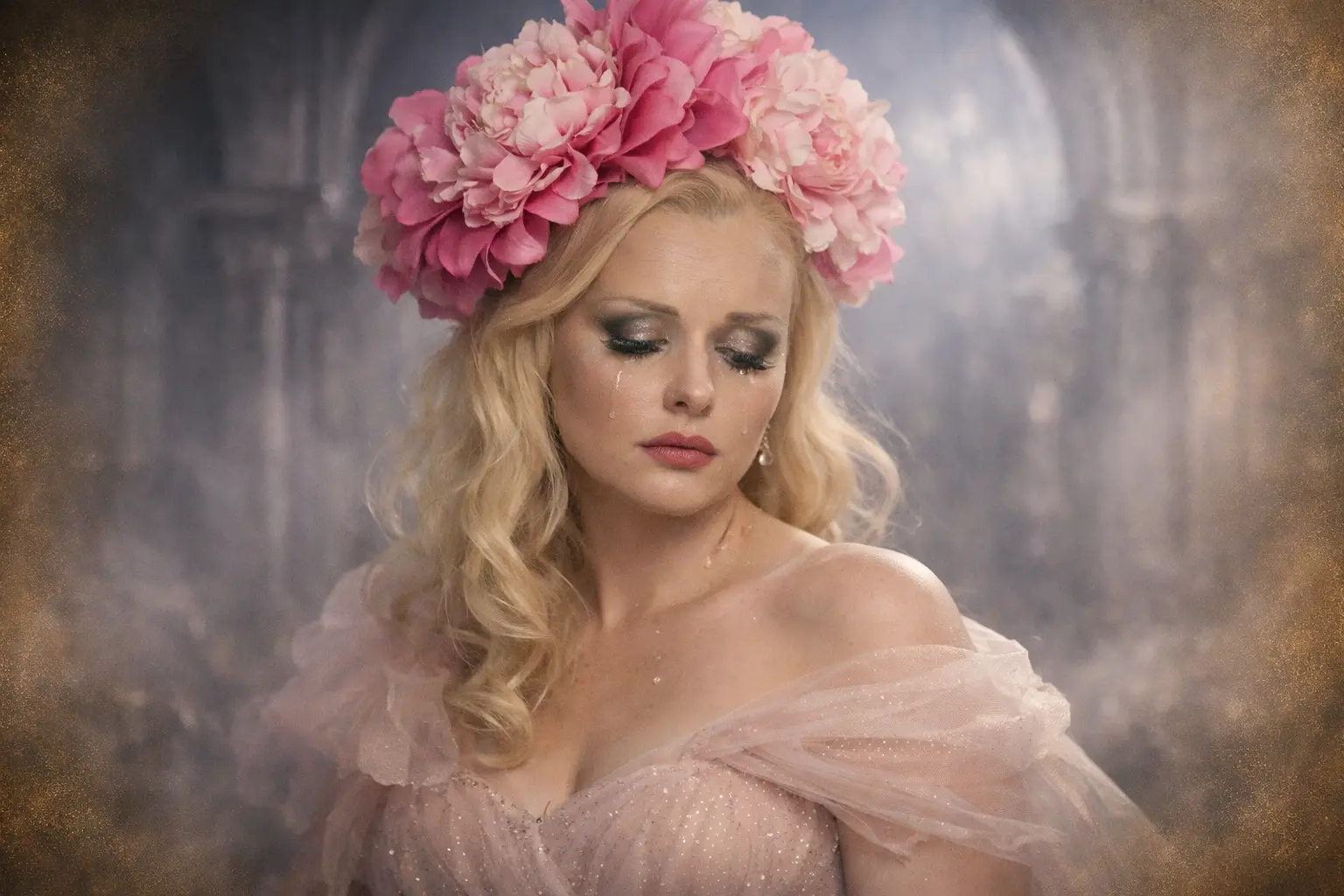
Maria Veretenina in Donizetti’s Lucia di Lammermoor
With drag-and-drop functionality and virtually limitless possibilities, Gantry 5's Layout Manager makes setup a breeze.
In the final pages of Donizetti’s Lucia di Lammermoor, the aria “Spargi d’amaro pianto” emerges like a fragile whisper after a tempest. It is the moment when Lucia, suspended between life and delirium, releases the last threads of her earthly suffering. Her voice, once filled with hope and longing, becomes a translucent echo — a farewell to a world that has wounded her beyond repair.
Maria Veretenina brings to this scene a rare combination of vocal purity and dramatic instinct. Her interpretation does not merely recount Lucia’s tragedy; it inhabits it. The timbre of her voice carries the shimmer of broken glass, the softness of fading petals, and the quiet dignity of a soul stepping beyond sorrow.
A Portrait of Romantic Despair
The visual aesthetic accompanying this performance draws inspiration from the Romantic imagination: beauty intertwined with fragility, innocence shadowed by fate. The floral headpiece — extravagant, blooming, almost surreal — becomes a symbol of Lucia’s inner world: delicate, dreamlike, and already dissolving at the edges.
The soft pink tones of the gown and flowers contrast with the emotional darkness of the aria. This tension is precisely what makes “Spargi d’amaro pianto” so devastating. Lucia is not a figure of grotesque madness; she is a young woman whose purity has been shattered by forces beyond her control. The image captures this paradox: radiance wrapped in sorrow.
The Music as Confession
Donizetti’s writing in this aria is deceptively simple. The melodic line floats, almost weightless, as if Lucia is already drifting away from the physical world. The phrases unfold with the softness of a lullaby, yet every note carries the weight of unspoken pain.
Maria shapes these lines with exquisite restraint. No excess. No theatrical exaggeration. Just the truth of a heart breaking quietly.
Her breath becomes part of the drama — a fragile thread connecting the listener to Lucia’s final moments. The result is not merely a performance but a confession, intimate and devastating.
A Moment Outside Time
What makes this aria unforgettable is its stillness. After the frenzy of the mad scene, “Spargi d’amaro pianto” feels like a suspended breath — the world holding itself in silence as Lucia’s spirit prepares to depart.
The accompanying imagery reflects this timelessness:
- soft diffused light
- gentle shadows
- a golden vignette that frames the scene like a fading memory
It is as if the viewer is witnessing Lucia not on a stage, but in a dream — a vision of sorrow transformed into beauty.
Maria Veretenina’s Lucia
Maria’s interpretation stands out for its emotional clarity. She does not portray Lucia as a victim, but as a soul who has glimpsed a truth too painful to bear. Her voice, crystalline and luminous, becomes the final thread of Lucia’s humanity.
In “Spargi d’amaro pianto”, Maria offers a portrayal that is both heartbreaking and transcendent — a reminder that opera’s greatest power lies not in spectacle, but in the fragile, luminous moments where music reveals the deepest corners of the human heart.